
Ali Baba board game review and impressions
Related Products
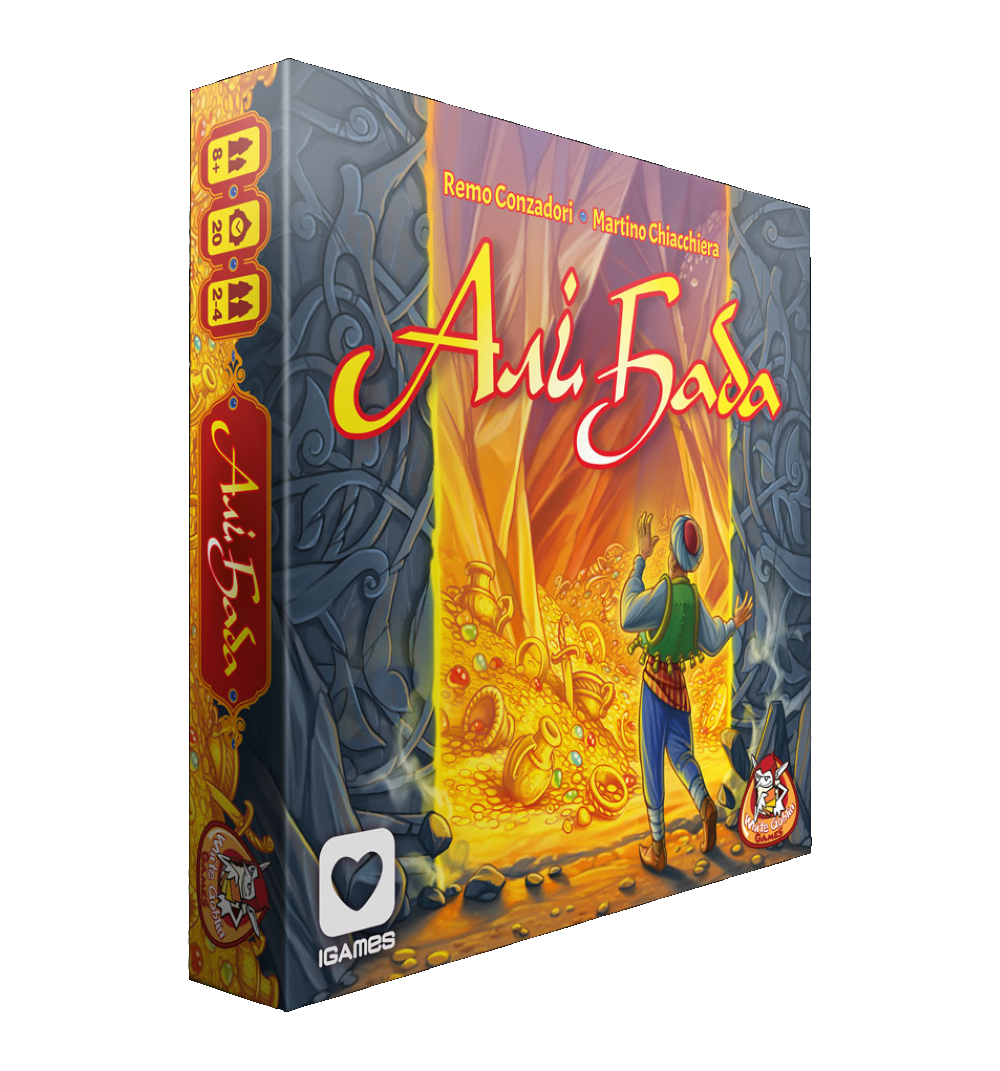
In Ali Baba, you try to collect sets of treasures that give you points. There are 10 different types of treasures, 6 of each, and they stack up in a pyramid like mahjong tiles. Only those that are not covered by other tiles will be opened. The pyramid consists of only 54 tiles, 6 are returned (closed) back to the box. On your turn, you take a tile, use its special abilities, and unlock tiles as you unlock them.
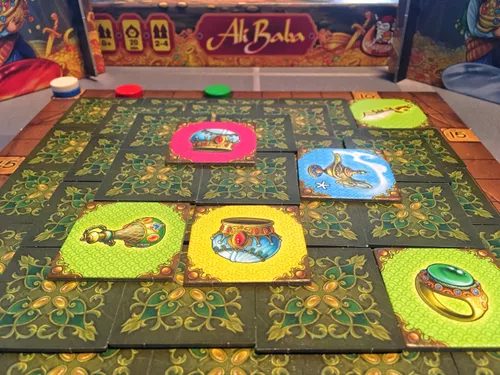
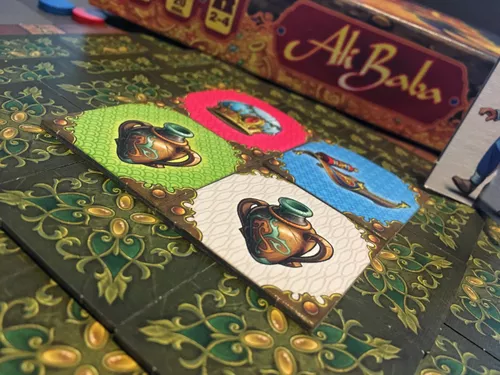
If you have 1 ring at the end of the game, it will give you one point, but if you have 6, it will give you 21 points. There are 6 colors for each treasure, each color has a special ability. For example, if you take a pink tile, you get 5 points, take a green tile and get another adjacent tile on your turn, take a yellow tile and get a tile from your opponent, a white tile allows you to protect a certain object or color on the field until you again your turn, while blue tiles give you points for each tile you've opened by taking a tile, and brown tiles give you points for each type of treasure you already own. So when you take a brown lamp and now have 3 lamps, you get 6 points (that's 2 for each treasure of the type you own).
It's a family game and at first I thought it wouldn't interest me, I thought I was just lucky. And while it's of course also very important to take tiles of the right color at the right time, sometimes you have to take a tile that won't give you many points, but will make your opponent lose a lot. There are 2 options for advanced players that I haven't played yet, but I suggest playing one of them instead of the regular game. In a normal game, 6 tiles are returned to the box, so if you're unlucky, you're trying to complete a set, some of which have been returned to the box. To avoid this, you can completely remove 1 treasure type and everyone will know that the game will have 6 of each of the 9 treasures, making the game more tactical. Another option is to place the 6 tiles that will go into the box next to the pyramid, make sure there are no lamps there by sorting them first. Now every time you pick up a lamp, you can either use a color ability or use a lamps ability. The ability of the lamp allows you to take a tile from the 6 that were placed in a row at the beginning of the game. Both options add some welcome depth to the game, it's still an entry-level family game, but the luck is minimized, making it much more enjoyable for experienced gamers. Did the game work? If you ask Katrien's parents, that's for sure, they immediately asked for a replay. For me it's a game I can enjoy every now and then, it's more than you might think, our second game was already more brutal than the first and I can see it getting more tactical with each session.

299 грн.
Ali Baba (ukr)
DESCRIPTION OF BOARD GAME ALI BABA Ali Baba is a game in which players will collect sets of treasure tiles, trying to score victory points not only by simply multiplying their wealth, but also by performing various magical actions that will help them bypass their opponents. WHAT IS THE GAME ABOUT? In the game Ali Baba (Ali Baba ), we will deal with multi-colored tiles, which depict six types of treasures. Players will score points at the end of the game for sets of tiles wi..


